
Monthly Roundup
On endurance
It’s been a few short moments since I wrote the first issue. Week after week, I bumped the item “draft newsletter” from one to-do list to another. I filled the page in my notebook that’s entitled “newsletter ideas” with ideas, but none of them grew into a full text. I couldn’t really identify what blocked me. Time constraints, real ones, for sure. But those are always there. It seemed a frivolous idea to write “just like that” when I was so behind on delivering things with hard deadlines and was not making any real progress on the main task – the book manuscript.
In the depth of winter, when I was desperate to get out of the house and escape the ever growing pile of work, I joined a running club and started training for my first half marathon. This experience can best be summarised as: not nearly as bad as I thought it would be. It reminded me that meaningful achievements are not made with singular big pushes. They grow over time out of an accumulation of many small, mundane, boring, unrewarding moments. Training runs in bad weather. Reading one more document with questionable relevance to the overall project. Writing one more paragraph. Maybe this newsletter is just like that: less of a polished product than a way of (re-)building endurance for longer forms of thinking and writing that got lost somewhere in the postdoc hamsterwheel.
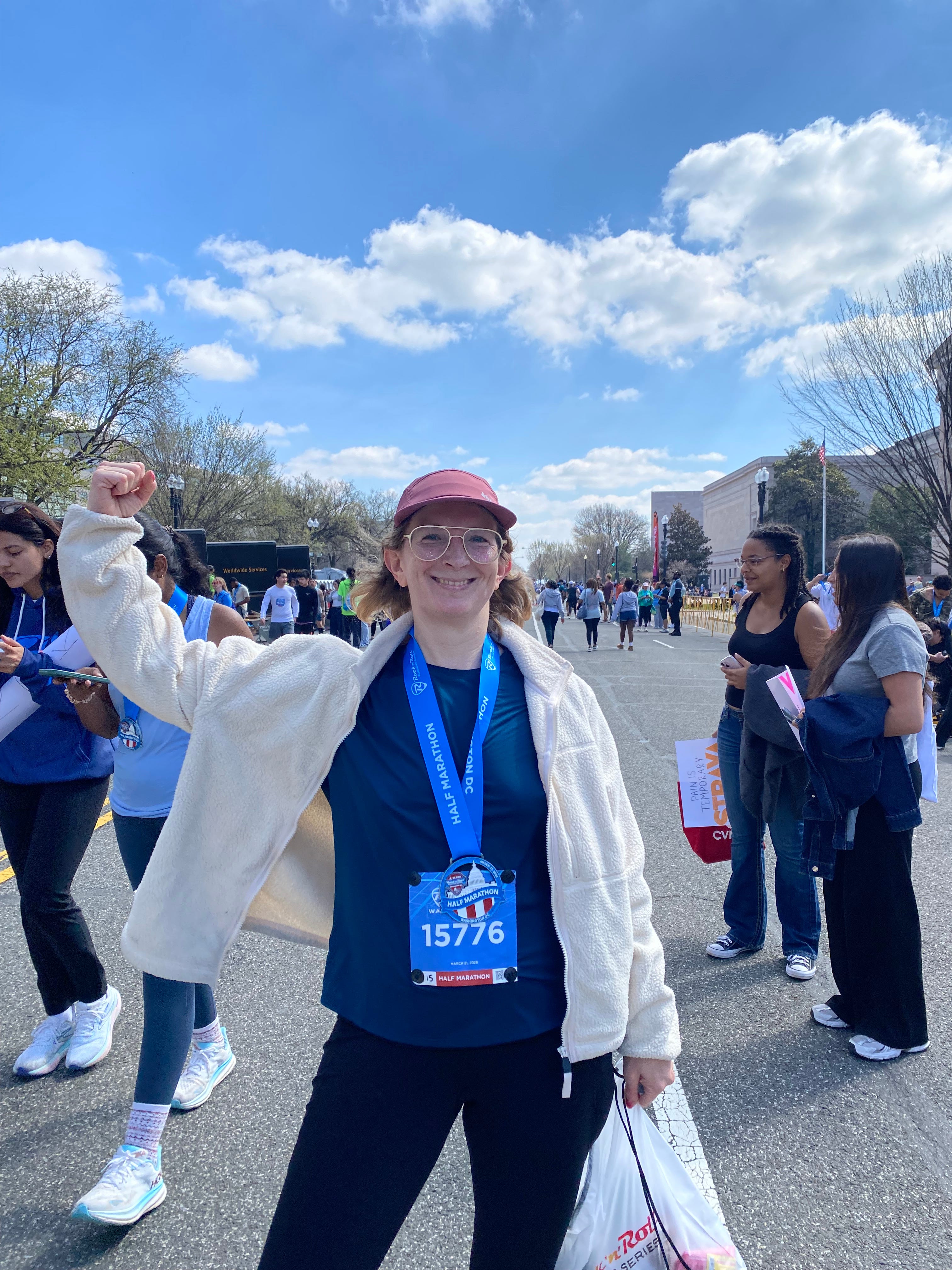
Maybe this newsletter is just like that: less of a polished product than a way of (re-)building endurance for longer forms of thinking and writing..
Since August 2025 I am on a research fellowship, that I sometimes also refer to as a sabbatical. Technically, it is not one — I am not on leave from a permanent position — but it has functioned similarly in my career. The fellowship was meant to give me the time and space to dive deep into the research and writing for my book on African airlines. Much like training for the half marathon, the fellowship has taught me that intellectual work remains an endurance practice: repetitive, uneven and often difficult to measure while it is happening.
Seven months in, I find myself thinking less about dramatic breakthroughs and deliverables and more about the quotidian realities of research work: following unexpected questions, sitting with uncertainty, managing the invisible administrative labour around intellectual work, and slowly building something whose final shape is still unclear.
Long distance: What I’m researching
Archival finds beyond information
In the archives of the Smithsonian National Air and Space Museum, I read through the papers of Ron Davies. He worked in airline market research for many years and, on the side, started collecting information on all of the world’s airlines – newspaper clippings, interviews, reports.
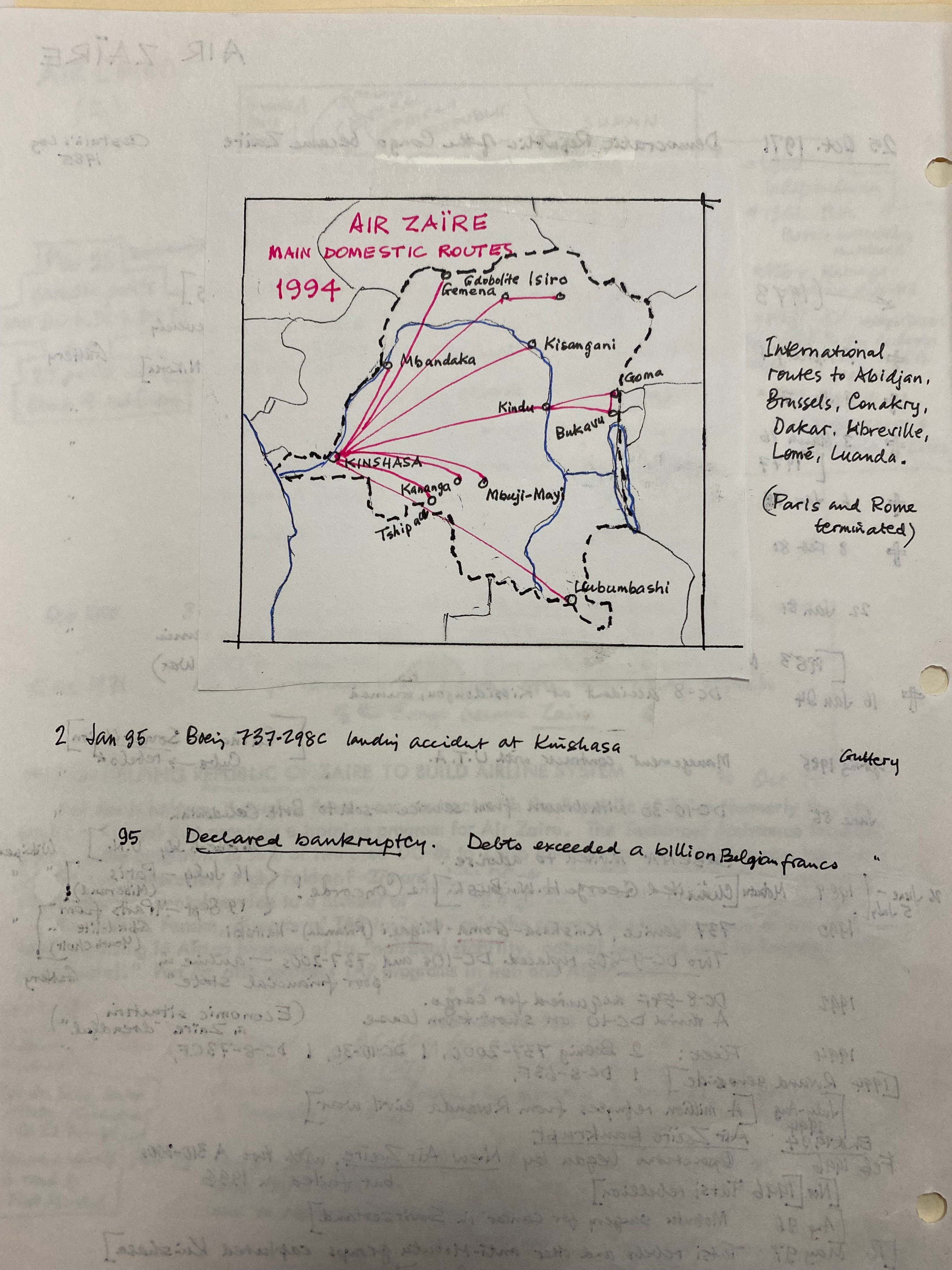
Over 30 publications came from it, several of them really indispensable reference books for anyone working on airlines (“Airlines of the Jet Age” in my case, for example). His papers were also a wonderful lesson in how to take and archive personal research notes that can last decades and still make sense, to oneself and other people. Archives do not only preserve historical sources. Sometimes they also preserve historical research practices.
Source discoveries/emerging questions
In the New York Public Library, I found a book on the organisation of air traffic control and air space regulation in the West African community, a topic closely related to one of my two major case studies: Air Afrique, the multinational airline jointly founded by eleven former French colonies. It led me down a path of investigating African voices and policy debates towards air transport governance. What are the rules and frameworks that confine and make international air transport possible? Who was at the table when they were conceived of and agreed on?
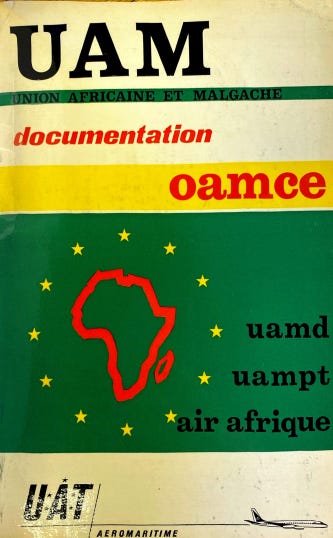
African aviation experts apparently pointed out things about international safety standards and other issues that would be particularly difficult to implement from an African viewpoint, and tried to make African viewpoints heard at international meetings. For the book chapter on “how to manage the sky”, I will try to find out if this is related to the challenges in safety and operational standards that many African airlines were facing, and which led to many incidents and a long list of blacklisted African airlines. Would different regulations, that took African concerns seriously from the beginning, have led to a better outcome?
Rethinking my sources
Another important shift came from spending time with Air Afrique’s inflight magazine collection at the NYPL. It made me realise that I had relied too heavily on material produced by airlines themselves and therefore shaped by promotional interests. Of course we love them as sources, because they were made to be very loveable. But what about the insights that are not mediated through high-gloss color print?

A visit to the transportation library at Northwestern University reinforced this further. I realised that there is an entire body of highly technical material, such as reports, circulars, specialised journals and internal industry publications, that I had not yet integrated sufficiently into the project.
Research, at least for me, stubbornly refuses to move in a straight line. Was I not making progress on the book manuscript, or was I developing a more fruitful line of inquiry while I was not hitting any of those word count targets?
Hitting the wall: writing as a sport
Book progress
For a long time, I struggled with the question of the audience. Is this a specialised academic monograph? Or a book aimed at a broader educated readership? Which themes belong in the project, and which ones can it live without?
There is no manuscript draft yet. But there are the humble beginnings of a few chapter drafts, delicate little sprouts that I still keep in the nursery of my notebook. I have, however, with as much certainty as one can reach in these matters, decided what kind of story I can and want to write (and what kind of story I cannot and do not want to write), and I am planning to send out the book proposal before the end of May. And share more about aspects of the book on here.
Applications and admin
The past year (2025) also involved what might be academia’s least glamorous, most demanding writing genre (and the most draining in my opinion): applications, administration and institutional negotiations. Managing the life-sources of my work, such as grants and job interviews, can easily become a part-time job in itself, if you consider the multitude of calls, emails, juggling calendar invites and spreadsheets.
I hesitate to complain about this, because these opportunities remain privileges. But it affects my capacities and stamina for my intellectual work. Spoiler: I think that I can soon retire this genre for a good while.
Aid stations: Giving and taking
Events & appearances and publications
I kept things pretty selective, because of my childcare situation. I paused the conference activities for a full 12 months and only did three talks (at the Global Africa Transcontinental Seminar - very exciting format, go check it out!; at Northwestern University; and at the German Historical Institute in Washington DC) and they were all really fruitful and reassuring. I also was invited twice to share some tips about ERC grant applications. It is so rewarding to be able to give back, encourage, speak some truth to power and also share some honest views on the not-so-great aspects of it all. Please reach out if you want to invite me to talk about my experience. As long as I have capacity, I am happy to do group or individual sessions.
Two publications that I co-edited and which are including of chapters of mine were published which conclude my work for the “foreign trade securitisation” project in Marburg:
An edited volume on German Companies in Asia, sadly my beloved Mentor and Co-Editor Shakila Yacob passed away shortly after publication, which makes it hard to celebrate this success: https://www.routledge.com/Security-Strategies-in-International-Business-History-German-Companies-in-Asia-in-the-20th-Century/Huber-Yacob-Kleinschmidt/p/book/9781032908700
Another edited volume, on Risk and Security in the Global 20th century more broadly: https://www.nomos-shop.de/de/p/security-and-risk-gr-978-3-7560-3577-9
—
This month’s medals:
Unexpected wins
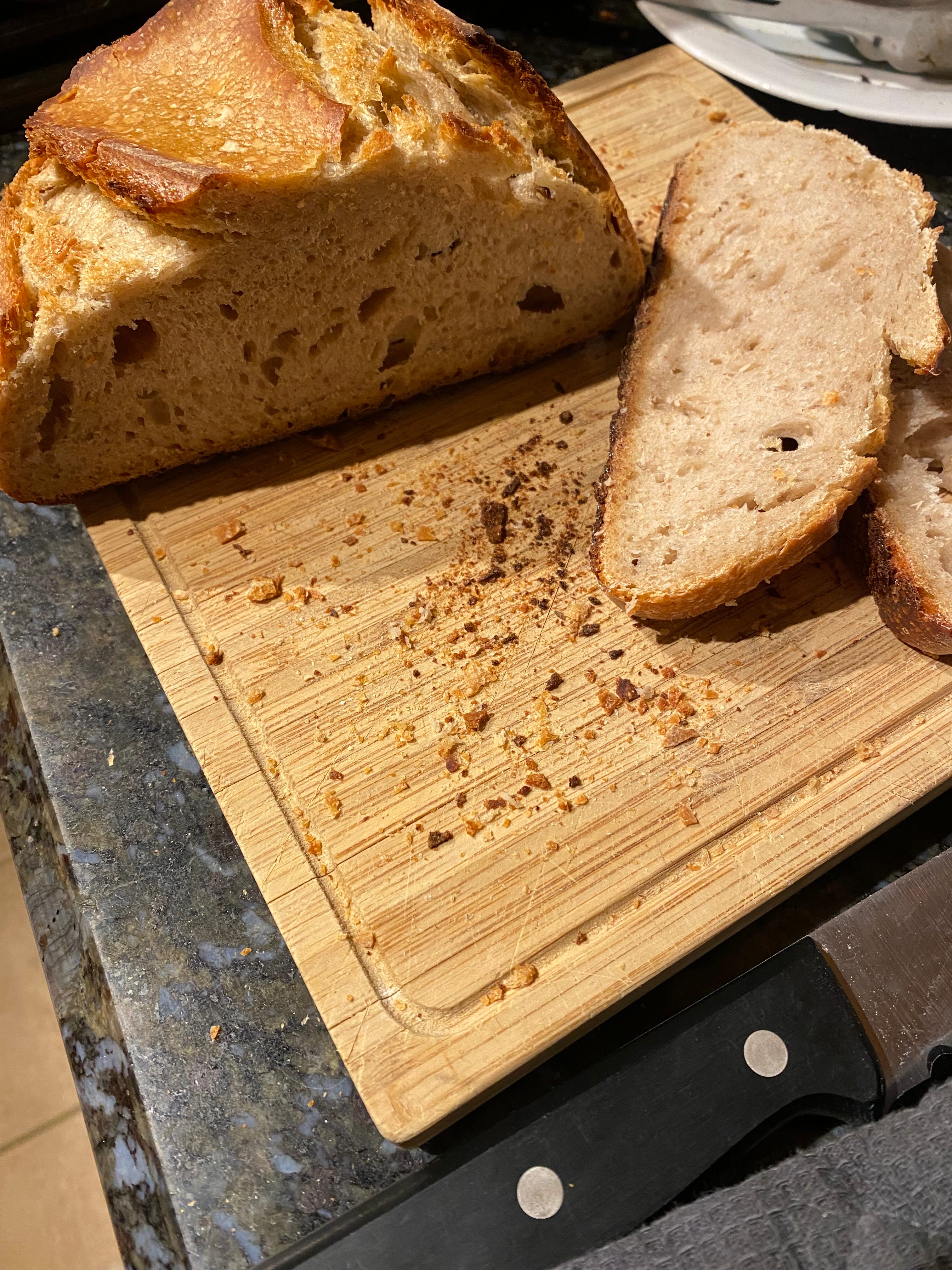
Definitely the half marathon! Also sourdough bread baking: according to my child I now can make “the world’s best bread”.
Hard things and fails
For the research seminar at the German Historical Institute in Washington DC, I had planned to send a full draft of my chapter on airports, but it just didn’t work out. I swallowed down my pride, and sent a very rough sketch and some parts of the book proposal instead. Once again I learned that it is always a good idea to send a work in progress if you don’t have anything else and if you made it through the intense cringe moment, you will still receive so much valuable engagement and feedback.
—
Final sprint: Concluding words
So this issue being a catching-up issue naturally was a bit longer. The plan is to write a monthly roundup. I am also working on two other monthly, thematic issue: “AI journeys” (what I did with Claude and my local models) and “Career journeys” (unsolicited advice on working in academia, motherhood, life,... and …psst… you can maybe follow along as I take the first steps into my new position as a tenured professor) and the occasional opinion piece if times and events are calling for it.
Any other themes I should cover? Or is the roundup format nicer to get an idea of everything that’s going on at once? Is there something you are missing? Let me know! Subscribe! Share if you like!